FAQ

Before starting a design project, clear understanding is often more important than rushing into execution. We have organized frequently asked questions about branding, website design, UI/UX, custom websites, and project collaboration to help you better understand our process, preparation, pricing approach, and design workflow before getting in touch.

Brand Design, Website Design, and E-commerce Website FAQ

Yes. Many clients are not sure at the beginning whether they need branding, website design, UI/UX, packaging design, or a complete brand and website refresh. You can share your current challenges, goals, or reference examples, and we will help you identify a suitable direction.

You can prepare a brand introduction, product or service information, current website or social media links, reference examples, competitors, budget range, and expected timeline. If the information is not complete yet, that is also fine — we can help clarify the project needs during the initial discussion.

Yes. We often help clients turn early ideas into clearer brand direction, website structure, or design requirements. The purpose of the initial discussion is to clarify the problem, target audience, brand positioning, and project scope before deciding how to move forward.

If your brand positioning, logo, visual style, or product communication is not clear yet, we usually recommend starting with branding or brand clarification. If your brand foundation is already established but the website structure, content, visuals, or user experience needs improvement, website design or redesign may come first. We will help you decide the right order based on your current situation.

MASOU DESIGN is suitable for businesses and brands that want to build stronger brand recognition, improve website experience, organize product information, or increase brand trust. We often work with traditional industries, B2B companies, product-based brands, medical aesthetics and skincare brands, food brands, lifestyle brands, startups, and companies going through transformation.

Yes. MASOU DESIGN is based in Taichung, Taiwan, but we can work with clients across Taiwan and overseas through online meetings, messaging tools, and project management processes. As long as the project requirements, communication method, and timeline are clear, the project can move forward smoothly even if we are not in the same city.

The initial inquiry is usually free. We will first understand your needs, current brand situation, and project direction before deciding whether to provide a proposal or quotation. If the request involves in-depth brand consulting, website review, SEO analysis, or full strategic planning, a separate fee may apply depending on the scope.

Yes. You can share an estimated budget range or the key problems you want to solve first. We will help you decide which items should be prioritized and which can be planned for a later stage. A design project does not always need to include everything at once — the important part is identifying the priorities that can move the brand forward.

A brand design project may include brand positioning, naming suggestions, logo design, typography, color system, supporting graphics, brand identity guidelines, business cards, packaging, social media visuals, brand applications, and website visual extensions. The actual scope depends on the brand’s needs, budget, and future applications.

Logo design focuses on creating the core symbol of a brand. Visual identity design is a more complete system that includes the logo, typography, color palette, fonts, supporting graphics, layout style, and application guidelines. In simple terms, the logo is the face of the brand, while visual identity helps the brand stay recognizable across different media.

We can start the discussion, but we usually do not recommend jumping directly into logo design before the brand positioning is clear. A logo is not just a graphic — it reflects brand personality, target audience, industry positioning, and communication direction. Without a clear foundation, the result may look good but not truly fit the brand or its future applications.

Depending on the project scope, we usually provide logo source files, vector files, image files, color specifications, font information, and brand identity guidelines. If the project includes business cards, packaging, social media templates, or other applications, the corresponding final artwork files will also be provided based on the agreement. The exact deliverables will be confirmed in the quotation and contract.

Yes, and this is one of the key values of visual identity design. A strong identity is not just a logo. It can be extended to business cards, packaging, flyers, presentations, social media posts, website visuals, e-commerce pages, and physical spaces, helping the brand maintain a consistent visual impression across different touchpoints.

Not always. Whether you need a brand guideline depends on the brand scale, application range, and future management needs. If the brand will be used across multiple channels, stores, packaging, social media, websites, or internal teams, a brand guideline is very helpful. For early-stage brands, a basic identity guideline may be enough at the beginning and can be expanded later.

Yes. After the brand design is completed, it can be extended into packaging, website design, exhibition design, social media templates, advertising visuals, catalogs, uniforms, signage, or physical space visuals. When the brand identity system is clear from the beginning, future applications can be developed more consistently and efficiently.

A website design project usually includes information architecture planning, content organization, UI visual design, responsive design, front-end development, backend setup, basic SEO settings, and pre-launch testing. The actual scope depends on the website type, number of pages, functional requirements, and whether custom development is needed.

A template website is usually built with an existing layout and is suitable for projects with a limited budget, simple requirements, or a shorter timeline. A custom website is planned based on brand positioning, content structure, user experience, visual style, and functional needs. It offers more flexibility and is better suited for long-term brand growth and SEO structure.

Yes. Website structure is not only about deciding which pages to include. It involves organizing brand information, services, product categories, user needs, and conversion goals. We help plan navigation, page hierarchy, content order, and user flow so the website is easier to understand and better aligned with the brand’s communication goals.

Clients usually need to provide basic materials such as brand introduction, service information, product details, photos, and company information. However, we can help organize the content structure, page focus, and copy direction so the information is easier to read and understand on the website. Full copywriting can also be planned separately depending on the project needs.

Yes. Modern websites need to consider desktop, tablet, and mobile browsing experiences. We plan responsive layouts as part of the website design process. Layouts, buttons, image ratios, text hierarchy, and user interactions across different devices are considered so users can read and navigate smoothly on mobile as well.

Yes. If the website includes a backend management system, you can usually update articles, news, works, product information, FAQs, or selected page content on your own. The editable areas depend on the backend structure and function settings, which will be confirmed during the planning stage.

UI design focuses more on interface visuals and components, such as layout, buttons, typography, colors, images, and interface consistency. UX design focuses on the overall user experience, such as whether information is easy to find, the flow is smooth, the content is understandable, and users can complete their goals. A good website usually needs both UI and UX considerations.

Yes. During website planning, we consider basic SEO structure such as page hierarchy, heading logic, URL structure, meta titles, meta descriptions, image alt text, internal links, and structured data. If you need a more complete SEO content strategy, keyword planning, or long-term optimization, this can be planned as a separate SEO project.

Yes. After the website is completed, we help with pre-launch checks and basic testing, including page display, links, forms, mobile browsing, backend functions, and necessary tracking code setup. If the website needs to be deployed to a specific hosting service, cloud environment, or the client’s own server, this will be evaluated and arranged based on the project needs.

Brand-driven e-commerce website design is not only about putting products online for sale. It considers brand positioning, product information, visual presentation, product page persuasion, guided shopping flow, and purchase experience together. It is especially suitable for product-based brands that need to build trust, product value, and long-term customer relationships.

A general shopping website focuses more on product listing, shopping cart, payment, and logistics functions. A brand-driven e-commerce website also emphasizes brand image, product categorization, product page content, ingredient or benefit explanations, usage scenarios, trust-building elements, membership, repeat purchase, and the overall buying experience. Its goal is not only to complete a transaction, but also to help users understand the brand and product value.

Brand-driven e-commerce websites are suitable for brands that need to build trust, product value, and repeat purchase relationships through their website, such as skincare, medical aesthetics, health supplements, food, lifestyle products, baby products, pet products, curated design goods, home products, and other product-based brands. If your product needs to be understood, compared, and trusted, a brand-driven e-commerce website can be a suitable direction.

Yes. These products usually need clear explanations of ingredients, benefits, usage methods, product differences, target users, and brand trust. If products are simply listed online, users may not quickly understand their value. A brand-driven e-commerce website helps organize product information, product page structure, and purchase flow so customers can make decisions more easily.

Yes, these functions can be planned based on project needs. A brand-driven e-commerce website may include product management, shopping cart, payment integration, logistics settings, membership system, coupons, order management, LINE integration, newsletters, or other marketing functions. The actual functions depend on the brand’s operation model, budget, backend needs, and technical requirements.

Yes. We can help organize the information needed for product pages, such as product features, ingredient explanations, specifications, usage methods, target users, FAQs, lifestyle images, trust marks, and reasons to buy. A good product page is not about putting all information on the page, but about using clear content order and visual hierarchy to help users quickly understand product value.

Yes, but we would first look at why your brand is using the e-commerce platform. If you are just getting started and want to launch quickly, test the market, or reduce initial development costs, using Shopify, 91APP, or another e-commerce platform can be a reasonable choice. Within the platform’s limitations, we can help plan brand visuals, homepage structure, product page content, category logic, campaign pages, banner visuals, and UI/UX improvements. However, if your brand has been operating for a while and you are starting to face issues such as platform commission fees, template limitations, limited control over data, insufficient brand experience, or lack of functional flexibility, we can also help evaluate whether it is time to gradually move toward your own brand website or a custom e-commerce website. In this case, the collaboration is not only about adjusting the platform design, but also about rethinking website structure, product data, membership, SEO content, and long-term operating costs. The actual approach will depend on your brand stage, platform limitations, budget, and future business goals.

Not always. Whether custom development is needed depends on brand needs, functional complexity, budget, backend management, and future expansion plans. Some brands can start with an existing e-commerce platform or a semi-custom approach. Custom development is recommended when special processes, membership logic, product data structures, or a more complete brand experience are required.

Yes, but it depends on the brand stage and business goals. If there are only a few products, the website can start as a brand website with limited product sales functions, focusing on brand introduction, product value, content persuasion, and purchase flow. As the product line grows, categories, membership, campaign pages, and marketing functions can be expanded gradually.

FEATURED WORKS

TEKTRO|Official Website Design

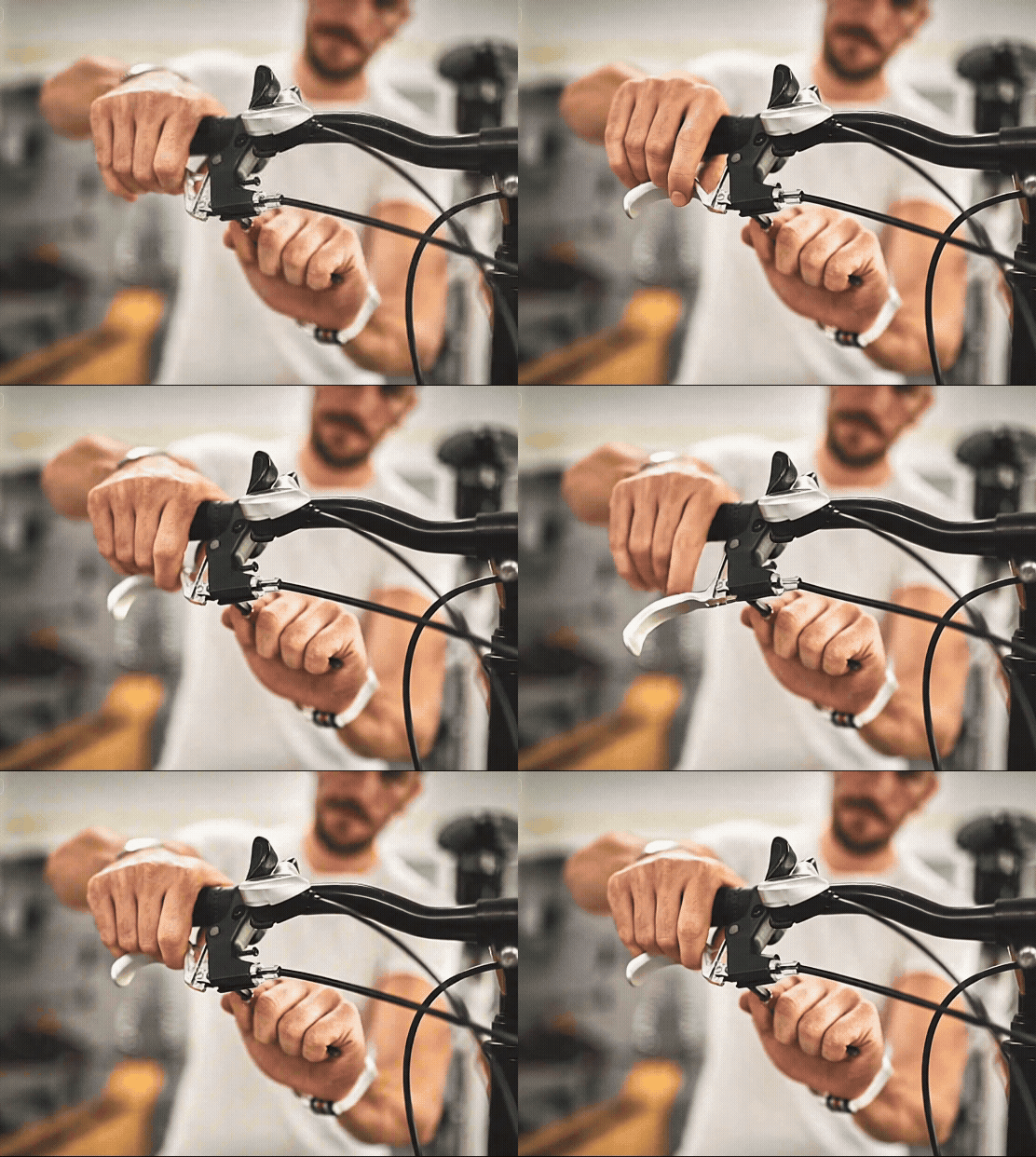
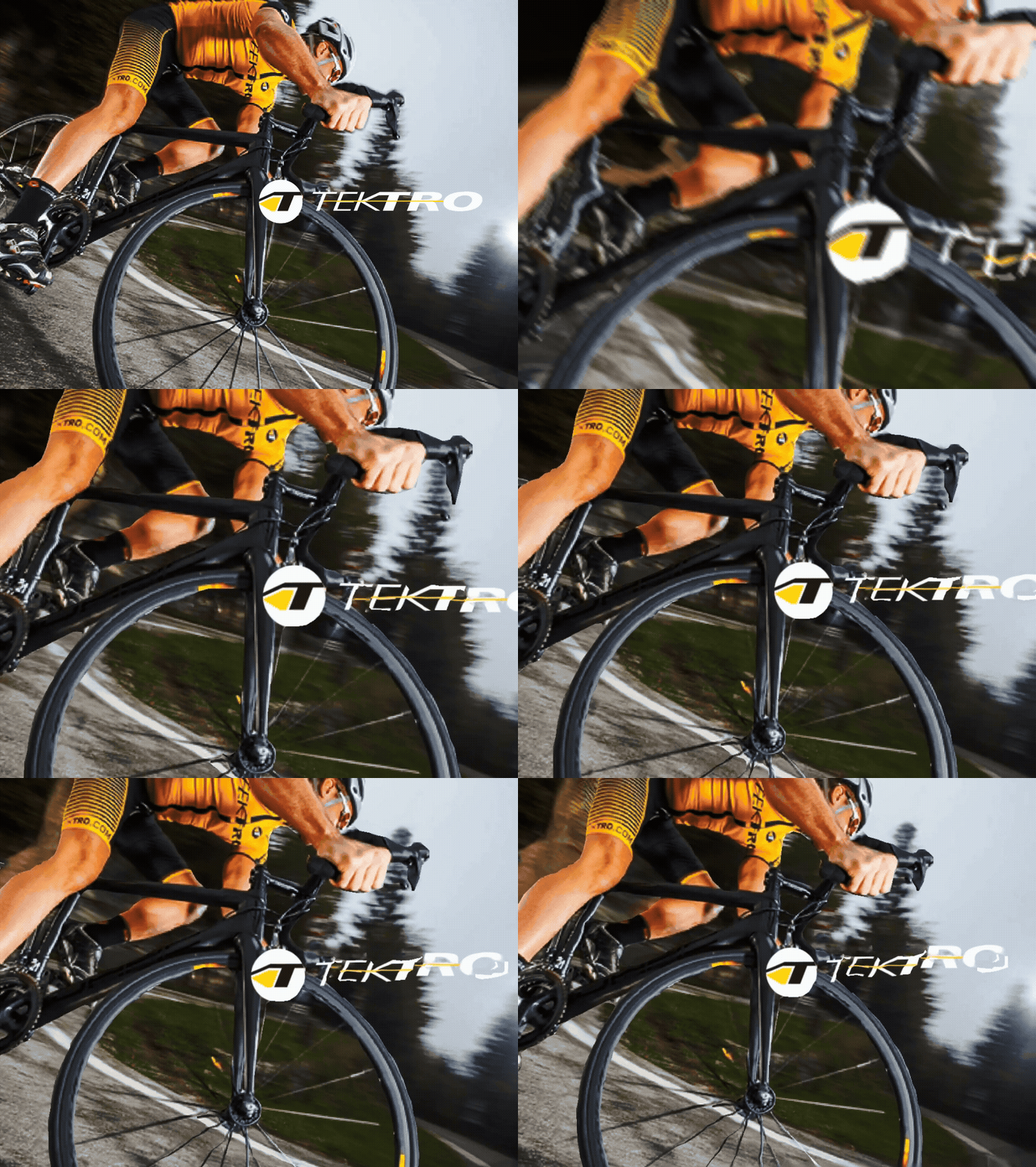
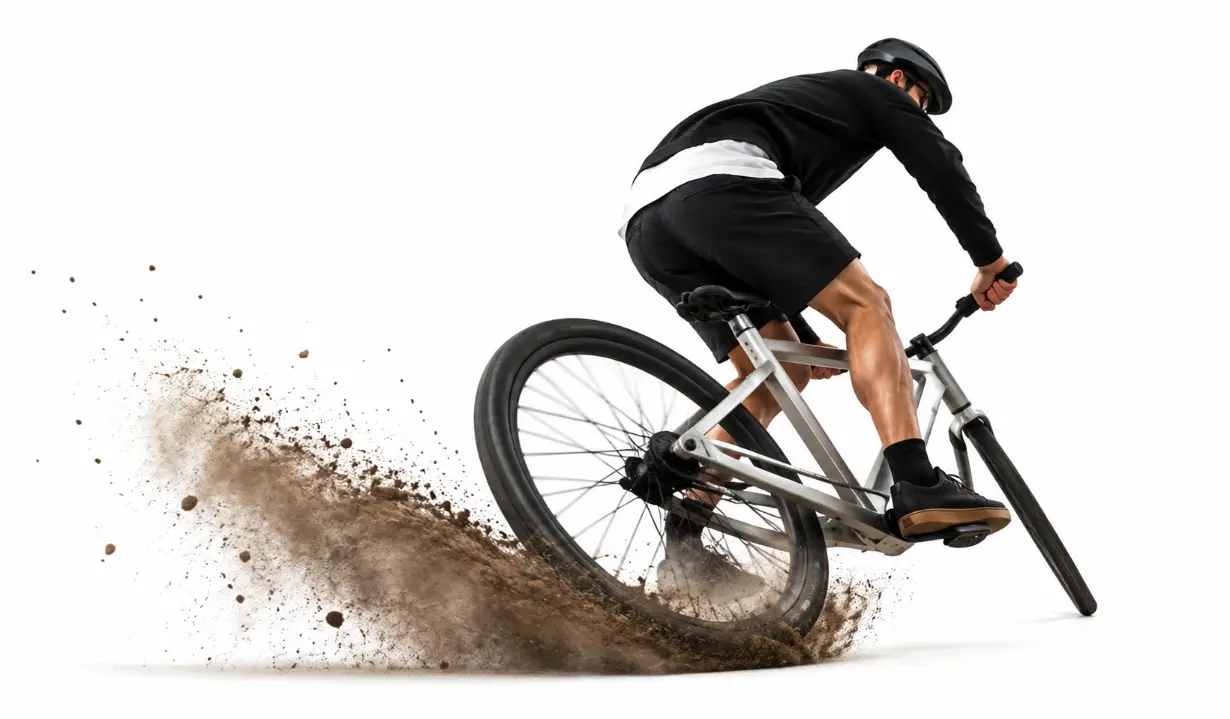
For a major brand’s official website, the challenge is not always about creating a complex visual design. It is about organizing a large amount of product information, internal opinions, and user browsing needs into a clear, manageable, and long-term website structure. As an important brand in bicycle brake systems and components, TEKTRO’s official website needed to present more than brand image. It also had to carry a large number of product models, product series, and application-based information. The focus of this website design project was to reorganize TEKTRO’s product information architecture so users could browse products by type, series, and usage needs. At the time of planning, one of the key challenges was the multi-category product structure. A product might not belong to only one category. It could also relate to different series, specifications, and application scenarios. For this reason, the website required a flexible information architecture that could support both backend product management and frontend browsing. Another major challenge was helping the brand integrate internal opinions through an external project team. A large corporate website often involves product, sales, marketing, and management perspectives, and each team may have different priorities. In this kind of project, the design team is not only responsible for visual execution. It also needs to help organize requirements, clarify priorities, and translate internal opinions into a website structure that users can understand. For a product-driven brand, an official website is more than a visual presentation. It is an important entry point for users to understand product lines, compare models, and build trust in the brand. The TEKTRO official website design focused on making a large product system and internal business needs more organized, helping the brand’s professional value become clearer through the website experience.

TEKTRO|Official Website Design

For a major brand’s official website, the challenge is not always about creating a complex visual design. It is about organizing a large amount of product information, internal opinions, and user browsing needs into a clear, manageable, and long-term website structure. As an important brand in bicycle brake systems and components, TEKTRO’s official website needed to present more than brand image. It also had to carry a large number of product models, product series, and application-based information. The focus of this website design project was to reorganize TEKTRO’s product information architecture so users could browse products by type, series, and usage needs. At the time of planning, one of the key challenges was the multi-category product structure. A product might not belong to only one category. It could also relate to different series, specifications, and application scenarios. For this reason, the website required a flexible information architecture that could support both backend product management and frontend browsing. Another major challenge was helping the brand integrate internal opinions through an external project team. A large corporate website often involves product, sales, marketing, and management perspectives, and each team may have different priorities. In this kind of project, the design team is not only responsible for visual execution. It also needs to help organize requirements, clarify priorities, and translate internal opinions into a website structure that users can understand. For a product-driven brand, an official website is more than a visual presentation. It is an important entry point for users to understand product lines, compare models, and build trust in the brand. The TEKTRO official website design focused on making a large product system and internal business needs more organized, helping the brand’s professional value become clearer through the website experience.

TEKTRO|Official Website Design

For a major brand’s official website, the challenge is not always about creating a complex visual design. It is about organizing a large amount of product information, internal opinions, and user browsing needs into a clear, manageable, and long-term website structure. As an important brand in bicycle brake systems and components, TEKTRO’s official website needed to present more than brand image. It also had to carry a large number of product models, product series, and application-based information. The focus of this website design project was to reorganize TEKTRO’s product information architecture so users could browse products by type, series, and usage needs. At the time of planning, one of the key challenges was the multi-category product structure. A product might not belong to only one category. It could also relate to different series, specifications, and application scenarios. For this reason, the website required a flexible information architecture that could support both backend product management and frontend browsing. Another major challenge was helping the brand integrate internal opinions through an external project team. A large corporate website often involves product, sales, marketing, and management perspectives, and each team may have different priorities. In this kind of project, the design team is not only responsible for visual execution. It also needs to help organize requirements, clarify priorities, and translate internal opinions into a website structure that users can understand. For a product-driven brand, an official website is more than a visual presentation. It is an important entry point for users to understand product lines, compare models, and build trust in the brand. The TEKTRO official website design focused on making a large product system and internal business needs more organized, helping the brand’s professional value become clearer through the website experience.