EASY TO BUY
Make purchasing easy for customers
Clear product information and an intuitive shopping flow reduce unnecessary friction.

If the goal is simply to start selling quickly, a mature e-commerce platform is often the most efficient choice. But once a brand is committed to long-term growth, e-commerce website design becomes more than adding shopping functions. It means bringing brand, products, memberships, content, SEO and day-to-day operations into one digital channel that can keep building value over time.
A strong e-commerce website does not need every possible function on day one. For customers, products should be easy to understand, the shopping flow should feel natural and payment should be straightforward. For the brand, products, orders, memberships and content should be simple to manage.
That is why we do not treat feature count as the center of e-commerce website design. We first define the flows the business will actually use, create a stable foundation for real operation, then expand the system as the business grows.
Clear product information and an intuitive shopping flow reduce unnecessary friction.
Products, orders, members and content can be updated without turning every change into a development request.
Start with a stable core, then add advanced memberships, promotions or integrations when the business actually needs them.
Mature platforms such as SHOPLINE and Shopify offer clear advantages: fast setup, lower initial investment and proven systems. They are especially useful for testing a market. Once a brand has committed to long-term e-commerce, the question changes — keep renting a platform, or invest in an owned commerce website that becomes part of the brand’s long-term digital assets?
Fast, mature and relatively accessible at the beginning.
Brand, content, structure and future development can be planned around the way the business actually operates.
Neither approach is automatically better. What matters is which model fits where the brand is today — and how it expects to operate three or five years from now.
When evaluating e-commerce, many businesses compare only what they will spend this year. For brands that already know they will operate for the long term, the more useful comparison is the total investment over three or five years.
Platform commerce can include subscription plans, transaction-related fees and paid modules. An owned e-commerce website has costs for development, domain, hosting, maintenance, third-party services, payments and logistics. Building your own platform is not automatically cheaper — but long-term cost should be compared together with the digital assets and control you retain.
Do not compare only the first-year price. Also compare what the brand will still own five years later.
You currently sell through marketplaces, LINE, Instagram, group buying, physical stores or distributors. Products and revenue already exist, and now you want to build an owned brand website and commerce channel.
The platform helped you through the first stage, but brand presentation, SEO, recurring platform costs, module limits and future expansion are becoming more important.
This is no longer an experiment. Products, content, memberships and online channels will remain part of the business for the next three, five or more years.
The parts worth customizing are usually the way the brand is experienced and the parts of the operation that are genuinely unique. Mature flows such as login, cart, checkout and order history do not need to be reinvented every time.
Designed for businesses that need a high degree of differentiation. Site structure, wireframes, UI/UX and frontend/backend functions are planned around the brand and its real operating requirements.
Invest custom design where the brand truly needs differentiation, while using stable modules for mature and common commerce flows. This creates a better balance between brand experience, usability and development cost.
Homepage, brand visuals, key images, banners, brand colors, typography and UI style.
Product lists, product detail pages, brand content pages, content modules, FAQs and related products.
Cart, checkout, login, member center and order history.
We customize what is worth differentiating. Mature and shared commerce patterns do not need to be reinvented every time.
Once you decide to build your own commerce channel, the next question is what kind of e-commerce website partner you need. We look beyond whether the site can process a transaction. Brand discovery, product understanding, purchase flow, backend management and long-term search visibility are considered within the same system.
Brand identity, key visuals, banners and UI are developed within one visual system.
Product information and shopping flows are organized so customers can understand and buy more easily.
Beyond the storefront, product, order, member and content management are designed for real daily use.
URLs, content hierarchy, product information and structured data are considered from the beginning.
Advanced memberships, promotions and integrations can be added as operations grow.
We do not expect clients to choose from fifty functions before they know what they need. The goal of the core setup is simple: complete the full path from product discovery to cart, checkout, payment, fulfillment and order lookup.
The brand should also be able to manage products, orders, members and content in the backend. Truly special requirements can then be added according to real operating needs.
E-commerce website design includes more than the customer-facing shopping interface. Products, orders, memberships, content and SEO settings also need to be organized into a clear management workflow.
Create and edit products, categories, pricing, variants, content, inventory and publishing status.
Shopping cart, checkout, order creation, order history, basic statuses and backend order management.
Integrations can be evaluated according to payment providers, shipping methods, invoice flows, refund rules and regional operating needs.
Brand pages, product content, banners, standard content pages and FAQs can be maintained by the brand team.
Titles, meta descriptions, static URLs, headings, image ALT text, responsive structure and search-friendly product content.
Advanced memberships, special promotions, third-party integrations and unique operational needs can be added later.
Build what you truly need first. Add more when the business actually needs it.
Many e-commerce sites only start thinking about SEO after launch. But product categories, URLs, content hierarchy and product information already affect future search performance while the site is being built.
We organize the search foundation from the website architecture up, so adding products, content and articles later does not require rebuilding the structure.
SELECTED E-COMMERCE PROJECTS
Different industries need different e-commerce structures. From branded online stores and membership commerce to inquiry carts and B2B product search, we plan each website around product characteristics, sales flow and brand positioning.
VIEW ALL E-COMMERCE WORKS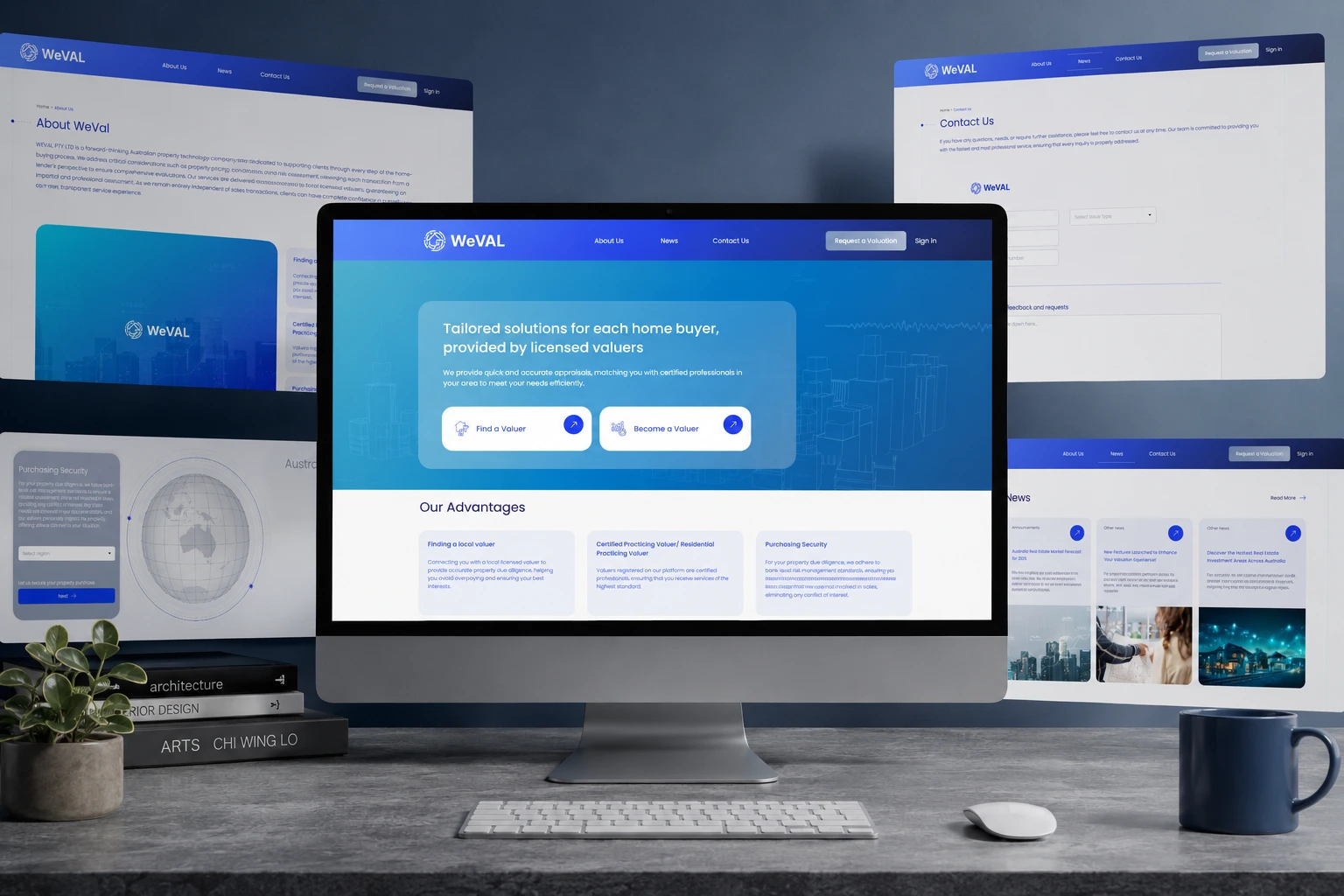
E-COMMERCE
WeVAL is an Australian property valuation platform connecting homebuyers with certified local valuers through a reliable and independent appraisal process. MASOU DESIGN created a professional, trustworthy, and tech-driven experience with a refined blue visual system, clear hierarchy, and intuitive interface.

E-COMMERCE
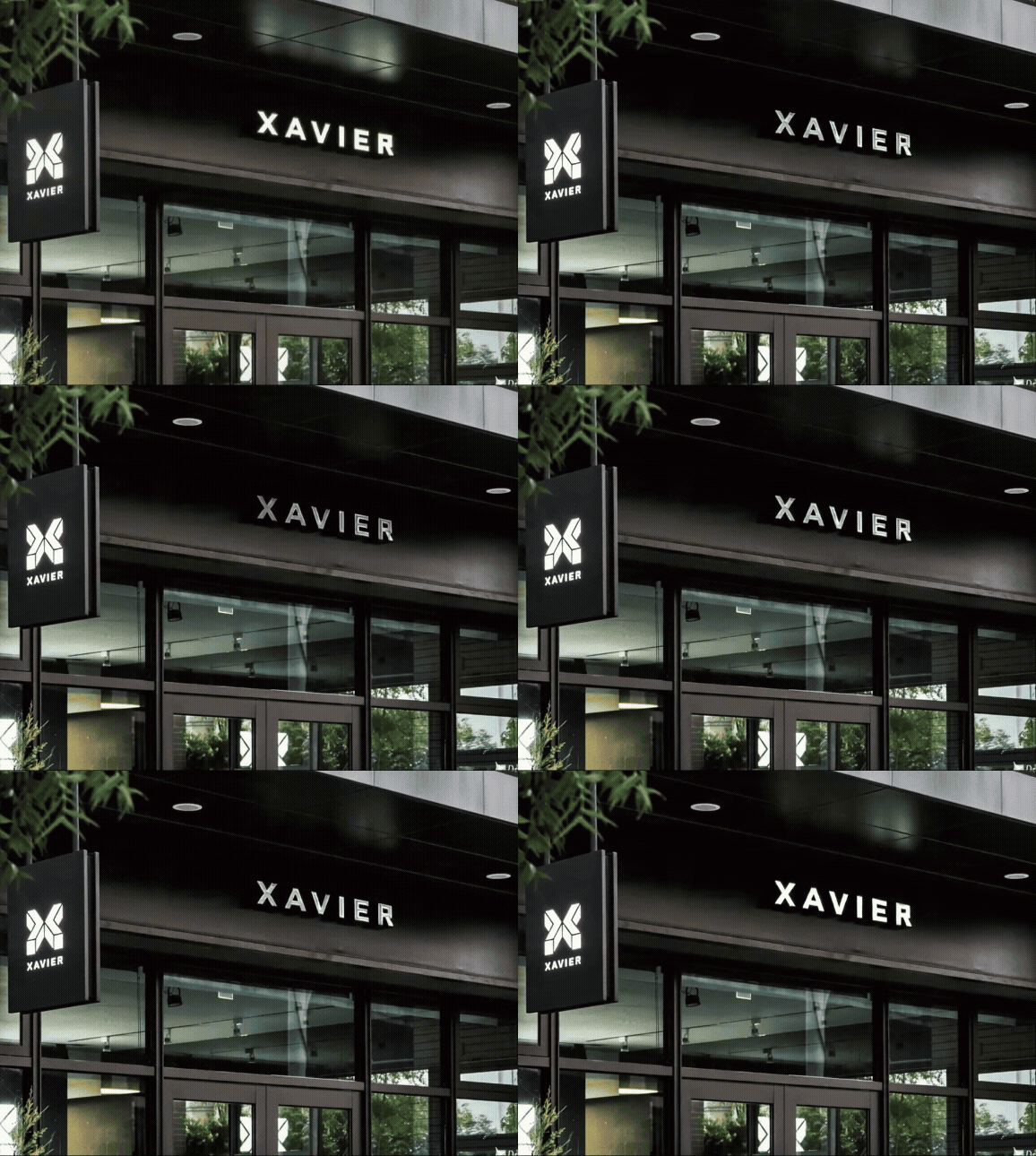
XAVIER is not just a furniture shopping website. It is an integrated interior design e-commerce platform that connects interior design services, designer resources, curated furniture, system boards, and franchise information. MASOU DESIGN created the interior design e-commerce platform design for XAVIER, organizing brand concept, designer profiles, selected furniture, system materials, interior design services, and franchise content into one clear website structure. The platform allows users to browse products, explore design solutions, and understand how XAVIER connects furniture selection with interior design needs. For XAVIER, the website is more than an online shopping platform. It is a digital brand touchpoint that brings together design services, product selection, and business development.
E-COMMERCE
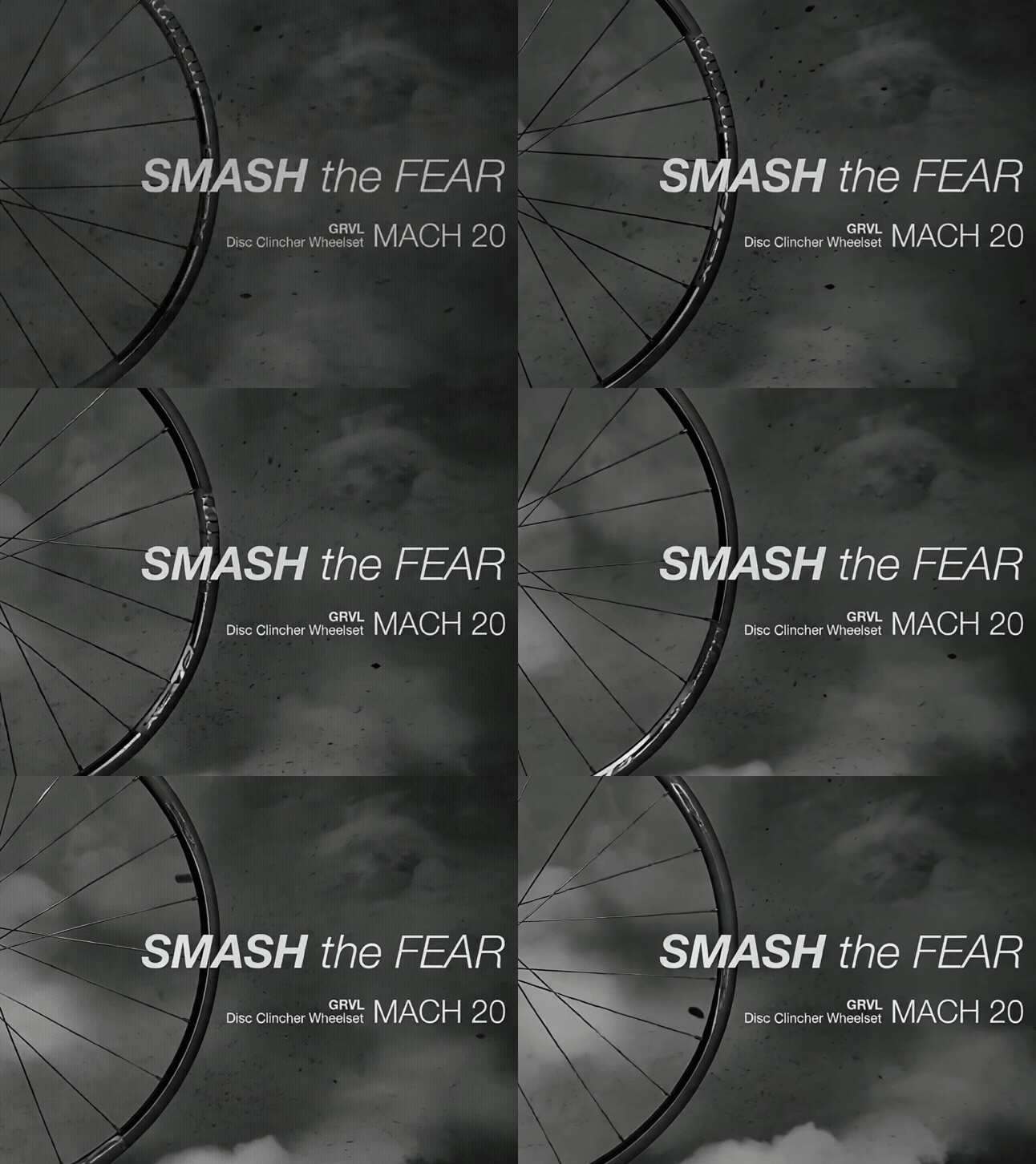
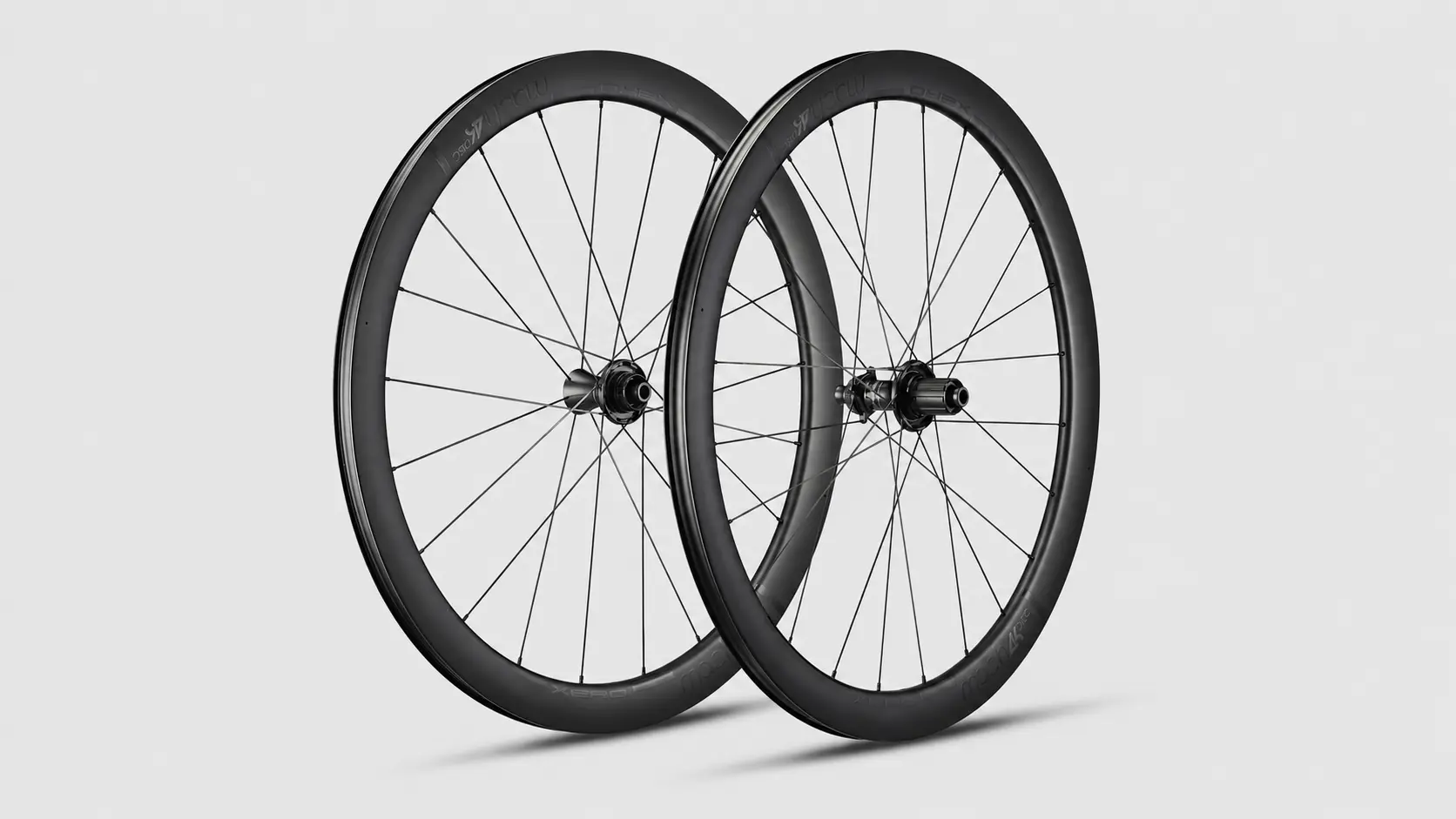
Xerowheel is a bicycle wheelset brand. Built around the brand spirit “BORN TO BE QUICK,” the website design integrates member registration, member promotions, special offers, product warranty, and after-sales support into one digital platform. The focus of this project was not only to create a product display or shopping entry point, but to help the brand build a service-driven platform for ongoing member engagement. In the website planning process, we organized the member area, promotional campaigns, coupon code mechanism, warranty information, and product support into a clearer user flow. Through responsive website design, structured content hierarchy, and a visual tone that reflects the speed and performance of the cycling industry, the Xerowheel website presents both product professionalism and a more complete membership and warranty service experience online.


E-COMMERCE
TRIWIN is a custom e-commerce website design project built around water purifiers, filter cartridges, home water systems, commercial water treatment products, and related solutions. The website includes multiple product categories such as EVERPURE, compact home water purification systems, under-sink hot water dispensers, drinking fountains, filter cartridges, whole-house filtration systems, commercial water systems, and industrial water treatment products. With such a broad product range, the focus of the website design was not only visual presentation, but also helping users understand product categories, find suitable solutions, and submit their needs through an inquiry cart flow. The website also includes an inquiry cart function, allowing users to collect products of interest before contacting the brand. For this project, we planned the website as a custom e-commerce website with product browsing logic similar to an online shopping experience, while preserving the consultation-based nature of the water purification industry. Instead of focusing on direct online payment, the website guides users through product series, product pages, support content, catalog and manual downloads, and an inquiry-based shopping flow. This helps TRIWIN present its product system more clearly, reduce the decision-making barrier for users, and build a more complete online product inquiry and guided shopping experience.

E-COMMERCE
HSABC is an e-commerce website design project that combines local culture, creative products, and community-based travel content. Instead of building only a shopping function, the website was planned to organize Qingshui Sanbu’s local stories, handmade creative products, travel activities, brand introduction, and after-sales service into a clearer digital structure. This allows users to start by understanding the local culture, then browse products, learn about the brand, and complete online purchases. The design direction focuses on warmth, everyday lifestyle, and a sense of local culture, turning the website into more than a simple product listing platform. It presents the brand’s long-term work in local cultural promotion, creative product development, and travel services. Through product classification, content sections, purchase flow, and brand storytelling, the e-commerce website supports product sales while also communicating culture and building brand trust.
E-COMMERCE
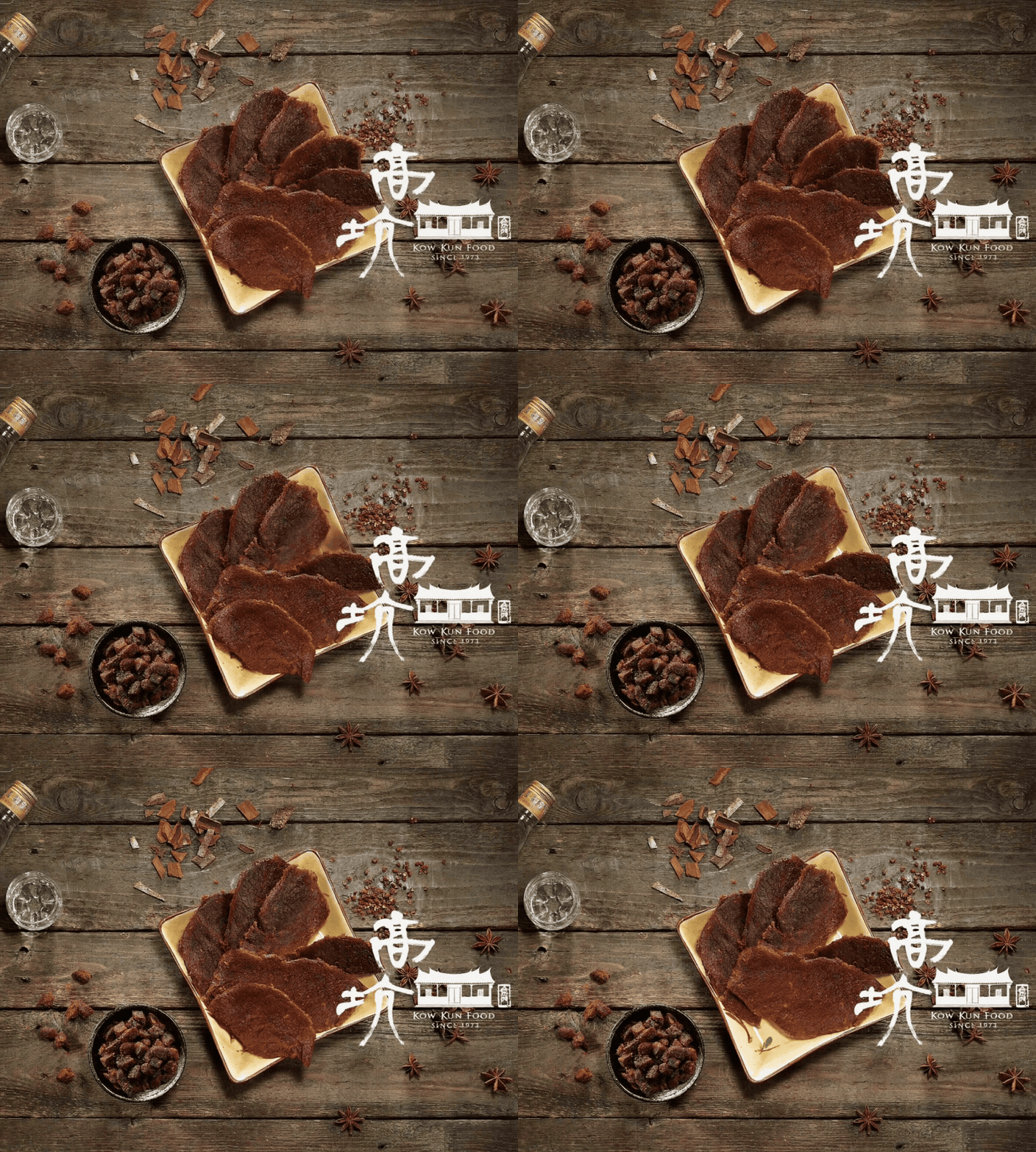
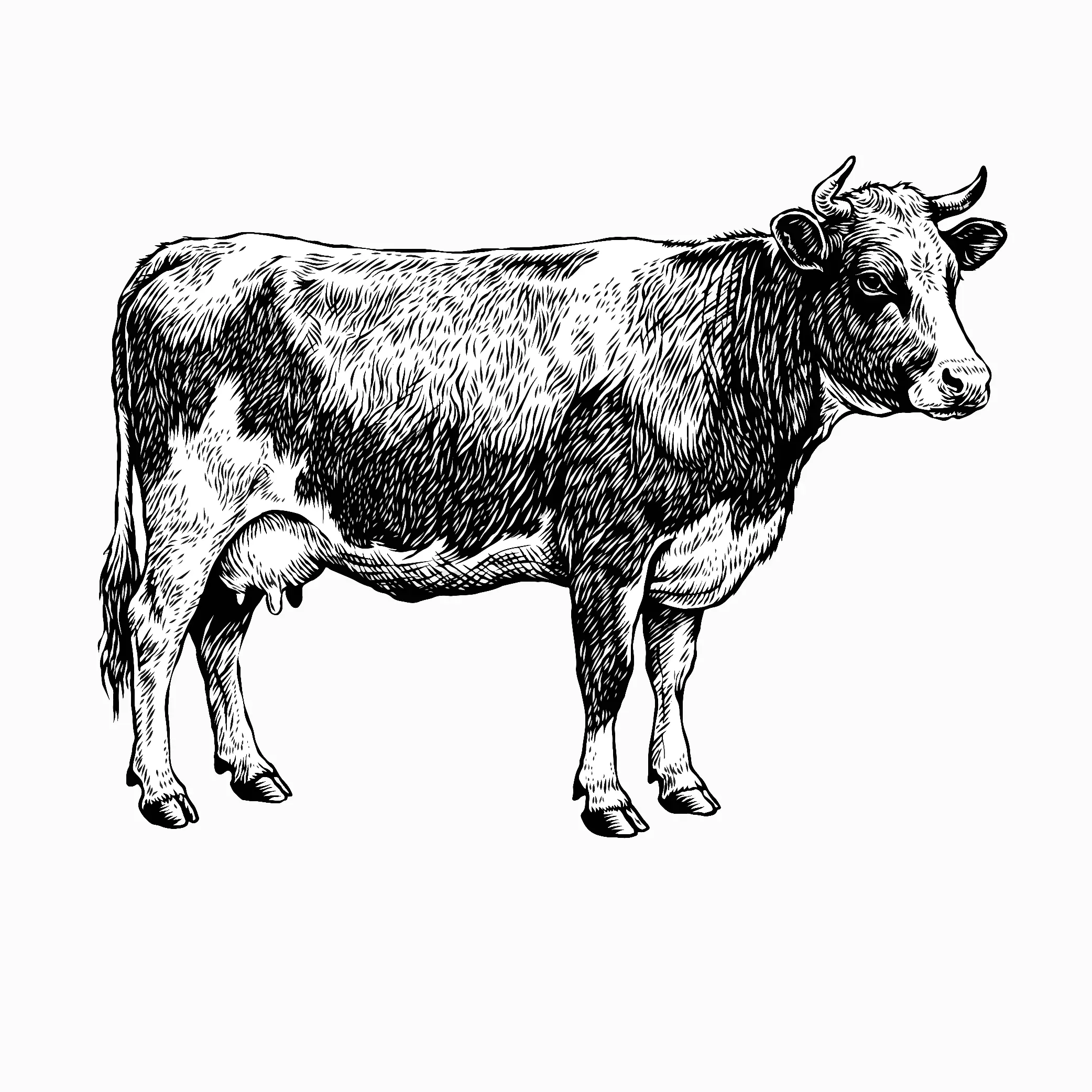
KOW KUN Beef Jerky is a representative souvenir brand from Kinmen, known for its local heritage, distinctive products, and recognizable traditional food identity. The focus of this e-commerce website design project was not only to create an online shopping function, but also to translate KOW KUN’s existing brand image, classic packaging elements, product categories, and Kinmen local character into a clearer digital shopping experience. In the website design, we built on the trust and familiarity of a traditional food brand, using a clean layout rhythm, clear product navigation, and stable visual language to make the brand story, product information, and shopping flow easier to understand. The website preserves KOW KUN Beef Jerky’s classic identity while presenting the Kinmen souvenir brand with a more modern and approachable e-commerce image.


E-COMMERCE
Some e-commerce websites are not only built to sell products. They are built to give people a reason to support something. Fortune Community is a special custom e-commerce website project because it combines food product sales, membership, shopping cart functions, and online donations in one platform. Users may visit the website to purchase food products, but they may also come to understand the brand’s purpose and support the community through a donation. For this reason, the website structure needed to balance two different actions: shopping and giving. Product categories, cart flow, member system, and ECPay third-party payment integration were organized around a clear user journey, allowing people to browse products, complete purchases, or make donations through the same digital experience. Rather than being only a transaction tool, the website becomes a platform that connects products, purpose, members, and supporters.

E-COMMERCE
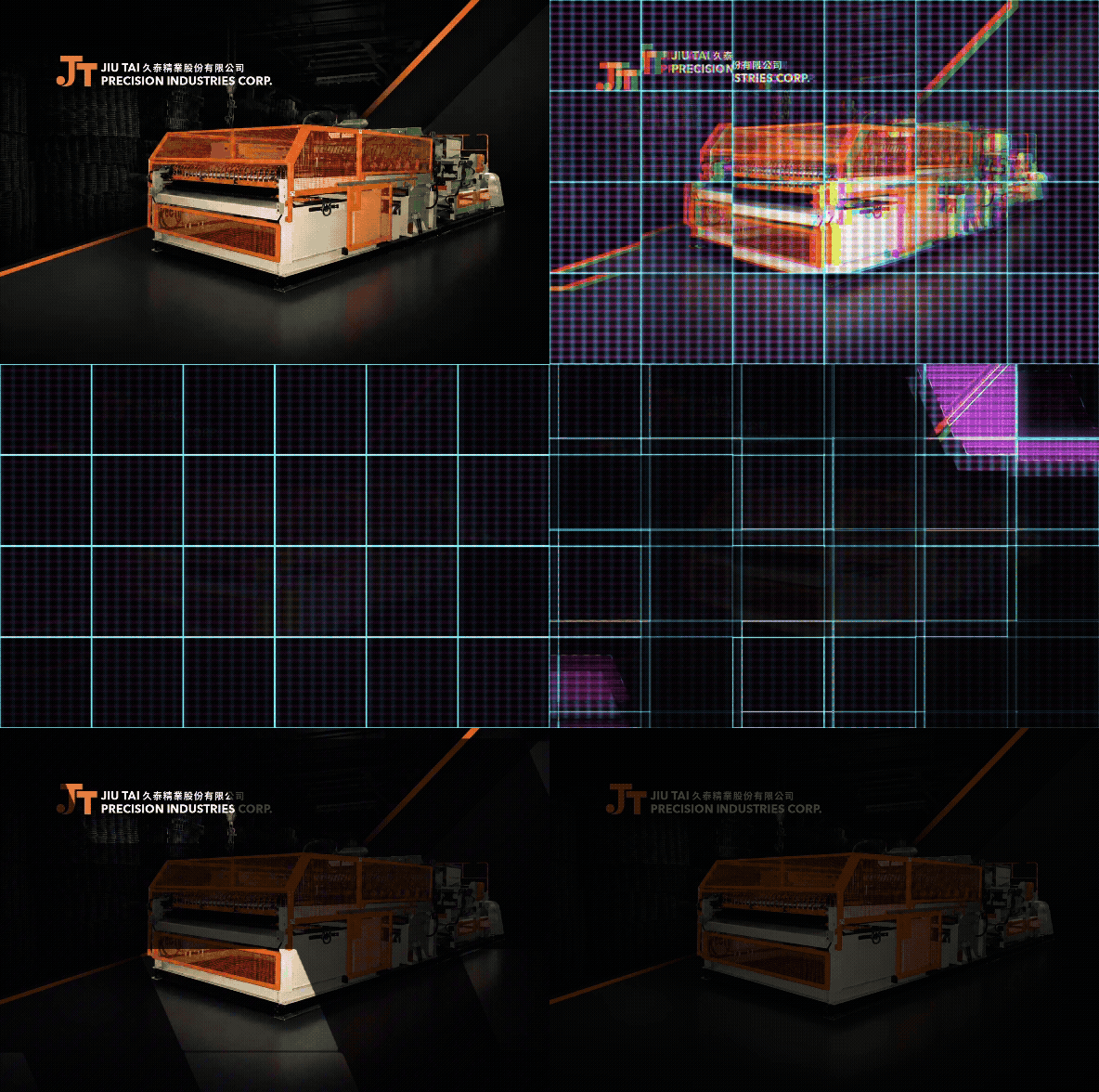
Jiu Tai Precision Industries Corp. specializes in wire mesh manufacturing and industrial machinery production. MASOU DESIGN helped the brand create an e-commerce website that combines corporate image, product presentation, and product search functionality. Through clear content structure, product categorization, imagery, and visual design, the website presents Jiu Tai’s manufacturing expertise and professional brand value. A key feature of this project is the product search function designed for wire mesh specifications. Customers can search products based on horizontal mesh, vertical mesh, and intersecting conditions, making it easier to find the right wire mesh or machinery for their needs. The website is not only a product showcase, but also a more intuitive and efficient communication tool between the brand and its B2B customers.
BUILT TO FIT YOUR BRAND
Our internal commerce UI system validates core modules such as product lists, product pages, cart, checkout, memberships and backend structures. Each brand still receives its own visual language through color, typography, imagery, banners and UI styling.
Clear product naming, key benefits, specifications, pricing and content modules arranged within one consistent brand reading order.
Clean editorial product storytelling and ingredient-led content.
Clear claims hierarchy, specifications and trust-focused content blocks.
More visual storytelling, gifting scenarios and lifestyle-led commerce.
Clarify products, sales model, memberships, payments, logistics and future needs before deciding what really needs to be built.
Define the sitemap, shopping flow, content hierarchy and relationships between pages and features.
Design brand visuals, homepage, product pages and core shopping flows across desktop and mobile.
Develop the approved interface, backend functions and required third-party integrations.
Test responsive behavior, cart, orders, memberships, payment and logistics, then prepare launch content.
Launch the website, hand over the CMS and continue expanding the system according to real business needs.
If you already have products and an operating business, and you are evaluating a branded online store or custom e-commerce website, we can start by reviewing requirements, long-term cost, shopping flow and the way your business actually works.
Talk to Us ↗